Top 10 Manual CNC Machines for Global Buyers?
Choosing the right manual CNC machine is rarely a simple price comparison. Global buyers must examine accuracy, spindle power, tooling, service, training, and replacement parts. A machine may look impressive online, yet fail when local technicians cannot repair its control system.
This guide, “Top 10 Manual CNC Machines for Global Buyers?”, compares practical options for workshops, schools, maintenance departments, and small manufacturers. It considers work envelope, table stability, repeatability, electrical compatibility, and everyday operating costs. The term manual CNC machine can be confusing. Some models are traditional mills or lathes with digital readouts. Others use CNC control but still allow manual jogging and handwheel operation. That difference matters.
Gene Haas, founder of Haas Automation, described a valuable design goal: “Simple to operate, reliable, and affordable.” That principle remains useful for international purchasing decisions. A dependable machine should produce consistent parts, not create constant troubleshooting. Buyers should inspect sample cuts, control interfaces, warranty limits, and shipping protection. Ask for real photos, not only polished catalog images.
The ranking cannot be perfect. Workshop conditions differ widely. A compact machine may suit a repair shop but frustrate a production team. A powerful model may exceed a school’s budget and electrical capacity. Even experienced buyers can overlook installation details. This overview aims to reduce that risk through clear comparisons and practical questions. It focuses on machines that balance capability, maintainability, and long-term value across different markets.
What Defines a Manual CNC Machine for International Buyers
Top 10 Manual CNC Machines for Global Buyers?
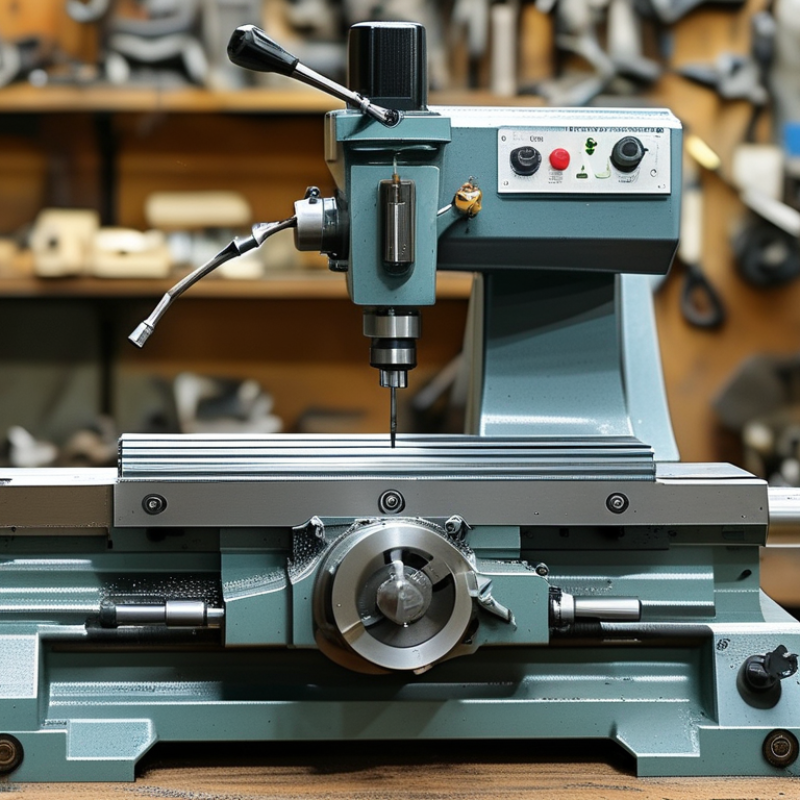
For international buyers, the definition includes more than axis movement. A reliable machine should offer clear control software, metric and imperial settings, stable spindle performance, and documented accuracy. Check the working envelope carefully. A table measuring 800 by 300 millimeters may appear large, but clamps and fixtures reduce usable space. Practical evaluations should also inspect backlash, guideway protection, emergency stops, and noise during extended cutting.
Electrical compatibility needs equal attention. Confirm voltage, frequency, phase requirements, plug configuration, and motor ratings before purchase. Request drawings, manuals, packing dimensions, and spare-part lists in advance.
Service access can matter more than a small price difference. A damaged limit switch should not stop production for weeks.
Material choice also changes the decision. Cutting aluminum requires different rigidity than cutting steel. Ask for sample-cut data, tolerance results, and recommended tooling. No checklist is perfect. A low purchase price can hide training gaps, unclear warranty terms, or difficult customs handling. Measure twice. A careful buyer should compare total operating risk, not only the machine’s advertised specifications.
Key Specifications and Selection Criteria for Manual CNC Equipment
Top 10 Manual CNC Machines for Global Buyers
Choosing manual CNC equipment requires more than comparing prices. In practical workshops, machine rigidity often matters more than advertised speed. Check the X, Y, and Z travel against your largest planned workpiece. A small vise and a 300 mm table can quickly limit production.
Spindle speed, motor power, and taper type affect cutting performance. For aluminum, higher speed may improve surface quality. Steel usually needs lower speed, steady torque, and strong clamping. Review positioning accuracy and repeatability separately. A machine may position accurately but repeat poorly after long operation. That difference matters.
Control usability also deserves close attention. Test whether operators can adjust feed rates without confusion. Inspect the emergency stop, guarding, lighting, and chip-control design. Electrical requirements vary, so confirm voltage, frequency, and grounding before purchase. Some global buyers overlook service access and spare-part availability. That is a costly mistake. Ask for manuals, training materials, inspection records, and realistic warranty terms.
Noise matters too.
For a small workshop, cast construction, low vibration, and simple maintenance may outperform a faster machine. For education or prototyping, clear controls and safe access are valuable. For continuous work, thermal stability, coolant capacity, and duty rating deserve more weight. My own selection process is not perfect; I once valued maximum spindle speed too highly. Actual rigidity proved more useful. Leave room to reconsider the specification sheet after a hands-on test.
Top 10 Manual CNC Machines Compared by Features and Applications
Top 10 Manual CNC Machines for Global Buyers
Choosing a manual CNC machine depends on material, tolerance, floor space, and operator skill. This comparison examines ten common configurations, including bench mills, knee mills, bed mills, engine lathes, toolroom lathes, drill mills, turret lathes, vertical mills, horizontal mills, and compact routers.
Bench mills suit prototypes and small aluminum parts. Knee mills offer flexible travel and practical handwheel control. Bed mills provide better support for heavier steel work. Engine lathes handle shafts, bushings, and threaded components with familiar manual adjustments. Toolroom lathes improve repeatability for repair work. Drill mills combine drilling and light milling in crowded workshops. Turret lathes reduce setup time for repeated turning tasks. Vertical mills offer broad access and simple chip removal. Horizontal mills perform well with side cutting and deep slots. Compact routers fit plastics, wood, and thin sheet materials.
Real shop experience shows that specifications rarely tell the whole story. A machine with strong spindle power may still disappoint if its table feels rough. Small handwheels can slow careful finishing. That matters.
Buyers should compare spindle speed, travel, work envelope, control layout, guarding, service access, and electrical compatibility. Metric and imperial options also affect daily setup. A reliable seller should provide test-cut records, accuracy data, manuals, and replacement-part details. I would also inspect backlash under load, not only during a demonstration. The ranking remains imperfect because one workshop values portability, while another needs rigidity and production stability.
Global Purchasing Factors: Pricing, Standards, Shipping, and Support
When comparing the top ten manual CNC machines, global buyers should calculate the complete purchase cost. The machine price is only one part. Request a line-item quotation covering tooling, inspection, packaging, documentation, and optional accessories. A low quote may exclude essential items. It happens. For a fair comparison, use landed cost, including freight, insurance, taxes, and local handling fees.
Standards deserve careful verification before payment. Ask for material certificates, electrical specifications, safety documents, and dimensional drawings. Confirm that the machine suits your workshop’s voltage and operating conditions. A machine built for one market may require costly changes elsewhere. Request test reports with measured tolerances, not general promises. Do not accept vague claims. In practice, documentation is sometimes incomplete or translated poorly. That gap deserves attention. An independent inspection can confirm alignment, spindle performance, and table movement before shipment.
Shipping can change the final price quickly. Clarify crate dimensions, gross weight, lifting points, and estimated transit time. Confirm the agreed delivery terms and responsibility for customs paperwork. Budget for unloading equipment at your facility. Support matters. A dependable supplier should provide installation guidance, operating manuals, troubleshooting help, and accessible spare parts. Request response-time commitments in writing. Ask for remote training and a realistic parts list. I would also check service coverage in your region. Some sellers promise fast support but rely on distant technicians. Verify those claims with recent customer references, while accepting that delivery estimates can still shift.
Top 10 Manual CNC Machines for Global Buyers? - Global Purchasing Factors: Pricing, Standards, Shipping, and Support
The figures below are typical purchasing ranges for new, manually operated or CNC-ready machine tools. Actual specifications vary by configuration, country, tooling package, electrical system, and supplier.
| Rank | Machine Type | Typical Working Capacity | Spindle / Motor Range | Typical Positioning Accuracy | Indicative Price (USD, Ex Works) |
Common Standards and Compliance | Estimated Shipping Footprint | Global Purchasing Notes | Recommended Support Package |
|---|---|---|---|---|---|---|---|---|---|
| 1 | Benchtop CNC-Ready Mill | X 400–700 mm; Y 200–350 mm; Z 250–400 mm | 2–5 hp; 3,000–8,000 rpm | Approximately ±0.02–0.05 mm | $4,000–$15,000 | CE marking where required; IEC 60204-1 electrical safety; ISO 12100 risk assessment | 200–500 kg; usually palletized; 1–3 m³ | Suitable for prototypes, education, repair work, and light aluminum or plastic machining. Check single-phase or three-phase compatibility. | Remote commissioning, wiring diagrams, spare belts, collets, emergency-stop components, and operator training |
| 2 | Knee Mill with CNC Retrofit | X 600–900 mm; Y 300–400 mm; Z 350–500 mm | 3–7.5 hp; 2,000–5,000 rpm | Approximately ±0.025–0.06 mm | $12,000–$35,000 | ISO 12100; IEC 60204-1; CE or UKCA depending on destination; guarding requirements vary by market | 900–1,800 kg; 3–7 m³; machinery skidding commonly required | Offers manual operation plus programmable axis control. Confirm backlash compensation, ball-screw condition, and retrofit documentation. | Installation supervision, parameter backup, servo replacement guidance, and local electrical inspection support |
| 3 | Turret Milling Machine | X 700–1,000 mm; Y 300–450 mm; Z 350–500 mm | 3–10 hp; 2,500–6,000 rpm | Approximately ±0.02–0.05 mm | $15,000–$45,000 | CE where applicable; IEC 60204-1; ISO 23125 is relevant when a turning function is included | 1,200–2,500 kg; 4–9 m³ | Good general-purpose choice for job shops. Verify table travel, quill travel, taper type, and availability of metric leadscrews. | On-site leveling, geometric inspection report, spare drawbar, lubrication components, and bilingual manuals |
| 4 | Manual Toolroom Mill with DRO | X 600–800 mm; Y 300–400 mm; Z 350–450 mm | 2–5 hp; 2,500–5,000 rpm | Approximately ±0.03–0.08 mm | $7,000–$22,000 | CE or equivalent market conformity; IEC 60204-1; measuring scales should include a stated accuracy specification | 800–1,500 kg; 3–6 m³ | Cost-effective for maintenance and small-batch work. A digital readout improves repeatability but does not create CNC interpolation. | DRO calibration certificate, leveling instructions, spare scales, and video-based operator training |
| 5 | Engine Lathe with CNC Add-On | Swing 350–600 mm; distance between centers 750–1,500 mm | 5–15 hp; 1,500–3,000 rpm | Approximately ±0.03–0.08 mm | $14,000–$40,000 | ISO 23125 for turning machines; IEC 60204-1; guarding and emergency-stop requirements must match destination law | 1,500–3,500 kg; 5–12 m³ | Flexible for shafts, bushings, and repair work. Confirm spindle bore, chuck size, thread ranges, and tailstock alignment. | Installation and alignment, chuck-jaw inspection, tooling list, spare encoder, and remote troubleshooting |
| 6 | Toolroom CNC Lathe with Manual Mode | Swing 400–700 mm; turning length 500–1,000 mm | 7.5–20 hp; 2,000–4,500 rpm | Approximately ±0.015–0.04 mm | $25,000–$70,000 | ISO 23125; ISO 13849-1 for safety-related control systems; IEC 60204-1 | 2,000–4,000 kg; 7–14 m³ | Combines handwheel control with repeatable CNC cycles. Ask for a documented test cut and spindle runout measurement. | Application training, program backup, parameter lockout, alignment service, and a two-year critical-spares plan |
| 7 | Compact 3-Axis CNC Mill with Manual Controls | X 500–800 mm; Y 300–500 mm; Z 400–600 mm | 7.5–15 hp; 6,000–12,000 rpm | Approximately ±0.01–0.03 mm | $35,000–$90,000 | ISO 16090-1; ISO 12100; IEC 60204-1; CE or other regional conformity assessment as applicable | 2,500–5,000 kg; 10–18 m³; requires rigid flooring and lifting access | Best for repeat production and harder materials. Check tool-holder standard, coolant capacity, chip management, and controller language. | Factory acceptance test, installation qualification, software backup, remote diagnostics, and preventive-maintenance schedule |
| 8 | Universal Milling Machine with CNC Axis Conversion | X 700–1,200 mm; Y 350–500 mm; Z 400–600 mm | 5–15 hp; 2,000–6,000 rpm | Approximately ±0.025–0.06 mm | $20,000–$60,000 | ISO 12100; IEC 60204-1; destination-specific machinery and electromagnetic-compatibility requirements | 1,800–4,000 kg; 6–14 m³ | Useful for angled work and varied tooling. Confirm universal table swivel range, axis motor sizing, and manual override functions. | Mechanical inspection, axis calibration, replacement drive modules, electrical schematics, and spare lubrication parts |
| 9 | Heavy-Duty Manual Lathe with Digital Readout | Swing 600–1,000 mm; distance between centers 1,000–3,000 mm | 10–30 hp; 800–2,500 rpm | Approximately ±0.05–0.12 mm | $22,000–$75,000 | ISO 23125; IEC 60204-1; lifting, guarding, and electrical documentation should be supplied for import clearance | 3,000–8,000 kg; 12–30 m³; may require open-top or heavy-lift handling | Strong option for large shafts and maintenance work. Verify foundation loads, floor plan, spindle bore, and transport restrictions. | Pre-shipment inspection, foundation drawing, leveling service, gearbox-spares list, and telephone support during commissioning |
| 10 | CNC-Ready Universal Turning and Milling Center | Turning diameter 250–500 mm; milling travel X 500–800 mm; Z 400–700 mm | 10–25 hp; 4,000–8,000 rpm | Approximately ±0.01–0.03 mm | $60,000–$150,000 | ISO 16090-1; ISO 23125 where turning is included; IEC 60204-1; ISO 13849-1 for safety control systems | 4,000–9,000 kg; 15–35 m³; professional rigging normally required | Highest flexibility for complex parts, but it requires stronger technical support, stable power, coolant management, and trained operators. | Site survey, acceptance testing, operator certification, annual calibration, software maintenance, and guaranteed spare-parts availability |
How to Choose the Right Manual CNC Machine for Your Workshop
Choosing the right manual CNC machine starts with your workshop, not a ranking list. Measure the largest workpiece you actually produce, then add clearance for clamps and tool movement. A compact machine may fit your bench, but its limited travel can frustrate larger jobs. Check spindle speed, taper type, table capacity, and machine rigidity. Steel cutting demands more stability than aluminum or plastic work.
Look closely at the control system and operator experience. Some manual CNC machines support handwheels, basic digital controls, or simple CNC cycles. Choose an interface your team can learn without constant supervision. Ask for electrical requirements, installation instructions, accuracy data, and maintenance schedules. Global buyers should also verify voltage compatibility, shipping protection, spare-part access, and local safety requirements. A machine can be affordable but difficult to support.
Tips: Inspect backlash on every axis before purchase. Test the spindle under load, not only at idle. Request videos showing real cutting, measured parts, and tool changes. Leave room around the machine for inspection and cleaning. My own selection mistake was focusing too heavily on price; the cheaper unit needed frequent alignment and consumed valuable production time. That experience still shapes my checklist. Do not trust impressive specifications alone. Ask how the figures were measured, and whether they match your materials, tooling, and daily workload.
Related Posts
-
How to Choose the Right Manual CNC Machine for Your Needs?
-

Top Machine Tools to Watch for Global Buyers in 2026?
-
How to Choose the Right Machine Tool for Your Business?
-
Top 10 Machine Tool Suppliers in China for Global Buyers?
-
Best CNC Machine Tools for Precision Manufacturing Solutions?
-
2026 Best Machine and Machine Tool Trends for Global Buyers?
We Meet Our Clients Needs.
Meeting the diverse needs of our clients, we have complete machining facilities for everything from single part prototypes to large quantity production. Our small size is one of our biggest assets. It allows us to control costs and maintain the highest of standards.
Quality orientated and delivery always on time or earlier than originally promised.
Strongly recommend MSD.