Top 10 Machining Technologies for Global Buyers?

Global buyers now evaluate machining technology through more than cutting speed or machine price. They examine repeatability, energy use, automation readiness, software compatibility, and supplier support. A machine that produces excellent parts on paper may still fail when operators lack training or spare parts.

Milton C. Shaw, a leading researcher in machining science, described machining as “the most versatile and accurate of all manufacturing processes.” That versatility remains visible on factory floors. A five-axis center can reach an angled titanium pocket, while a CNC Swiss machine can produce a small medical component with minimal handling. The details matter.

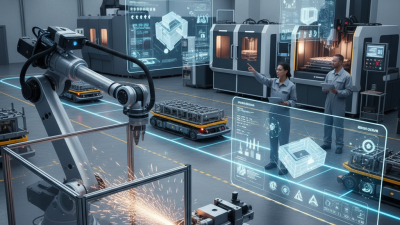
The International Federation of Robotics reported 541,302 industrial robots were installed worldwide in 2023, according to World Robotics 2024. This figure reflects a broader shift toward connected production and automated material movement. Deloitte’s 2023 Smart Manufacturing and Operations Survey also found that 86% of surveyed leaders expect smart manufacturing to become a major competitiveness driver within five years.

However, technology rankings are never permanent. A high-speed spindle may suit aerospace aluminum but waste money on simple steel brackets. Additive hybrid systems may reduce setup time, yet their maintenance demands are easy to underestimate. Buyers should compare total ownership cost, process capability, cybersecurity, workforce skills, and local service coverage.

This guide examines ten machining technology categories for global buyers. It connects proven workshop experience with current industry evidence. Some conclusions will remain debatable. That is useful. Careful comparison often reveals that the “best” technology depends less on novelty and more on the part, volume, tolerance, and people operating it.
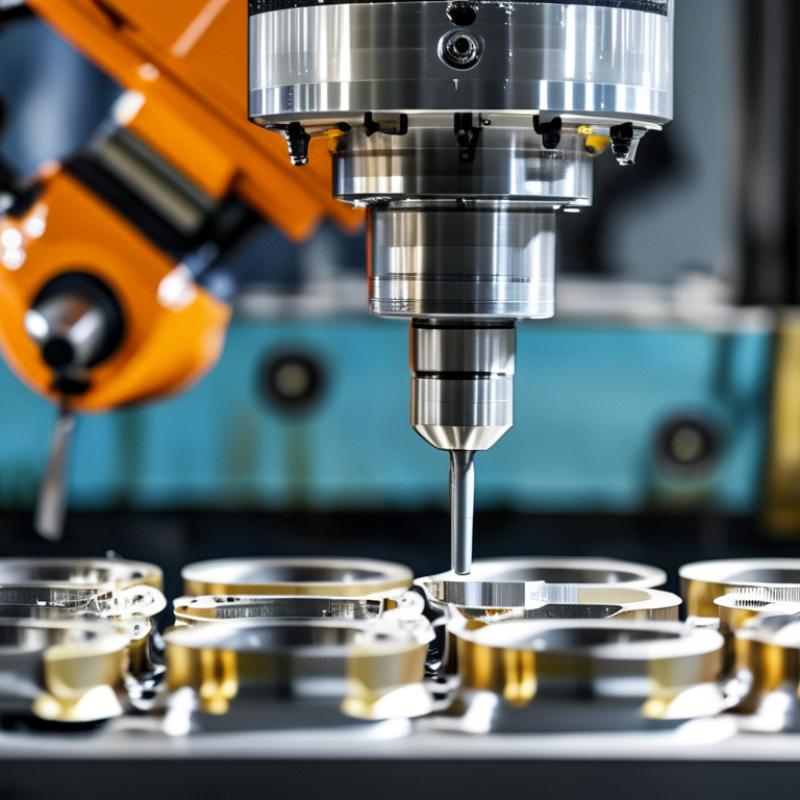
Top 10 Machining Technologies for Global Buyers?

Machining Technology Basics and Global Buyer Selection Criteria

Machining Technology Basics and Global Buyer Selection Criteria

Modern machining includes CNC turning, milling, five-axis cutting, grinding, electrical discharge machining, laser processing, and metal additive manufacturing. Each method solves a different production problem. Turning suits round parts, while five-axis milling reaches complex surfaces with fewer setups. EDM handles hard materials and narrow features, but it can reduce throughput.

Global buyers should compare accuracy, repeatability, cycle time, material compatibility, service support, and total ownership cost. A low purchase price may hide tooling expenses, software limitations, energy use, and difficult maintenance. The International Federation of Robotics reported 541,302 industrial robot installations worldwide in 2023. This growth shows why automation readiness matters. Check interface compatibility, loading space, inspection access, and operator training before ordering.

Tips: Request sample parts and process records. Measure actual tolerances, surface finish, scrap rates, and changeover time. Ask for documented calibration practices, not only promotional claims. The World Economic Forum’s Future of Jobs Report 2023 states that 44% of workers’ skills may be disrupted by 2027. Training capacity should therefore be part of the supplier audit. A technically strong machine can still fail commercially if local technicians cannot operate it. Buyers should also review export documentation, spare-part lead times, and cybersecurity controls. These details are easy to overlook. They are often expensive later. My own selection logic remains imperfect: maximum precision is not always the best choice. Stable production, practical support, and verified results usually matter more.

CNC Milling, Turning, and Multi-Axis Machining Technologies

Top 10 Machining Technologies for Global Buyers

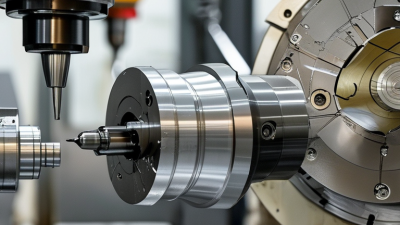
CNC milling remains a practical choice for complex plates, housings, and tooling. It removes material with rotating cutters and supports tight positional control. CNC turning suits shafts, bushings, threads, and other rotational parts. A stable chuck and accurate tooling matter more than impressive machine specifications.

Multi-axis machining reduces repositioning and can improve access to angled surfaces. Five-axis equipment is valuable for aerospace forms, medical components, and difficult impellers. However, it is not automatically the best option. Programming skill, fixture design, inspection capacity, and operator experience still decide the result. The International Federation of Robotics reported 541,302 industrial robots installed worldwide in 2023, showing continued pressure for automated, repeatable production. Yet automation cannot correct poor process planning.

Tips: Ask suppliers for capability studies, sample inspection reports, and tolerance data from similar materials. Check spindle speed, work envelope, probing systems, and actual batch consistency. The 2024 Global Machine Tool Outlook from Oxford Economics and the Association for Manufacturing Technology highlights continuing investment in advanced production equipment. Still, market forecasts can feel too optimistic. Buyers should test a first article before committing to large volumes. Compare cycle time, surface finish, scrap risk, and inspection cost. The cheapest quote may become expensive after revisions.

Top 10 Machining Technologies for Global Buyers: CNC Milling, Turning, and Multi-Axis Machining Technologies

Rank Machining Technology Typical Configuration Commonly Processed Materials Typical Dimensional Tolerance* Best Production Fit Key Advantages Main Limitations Important Global Buying Factors
1 3-Axis CNC Milling X, Y, and Z linear axes Aluminum, steel, stainless steel, brass, titanium, engineering plastics Approximately ±0.010–0.050 mm Prototypes, fixtures, prismatic parts, small to medium production runs Broad material compatibility; mature programming methods; generally economical; suitable for flat surfaces, pockets, holes, and contours Multiple setups may be required for complex sides; tool access can be restricted in deep cavities Review machine travel, spindle power, workholding method, inspection equipment, and setup planning
2 5-Axis Simultaneous CNC Machining Three linear axes plus two rotary axes Aluminum, titanium, nickel alloys, steels, composites, plastics Approximately ±0.010–0.030 mm Aerospace structures, medical components, impellers, molds, complex sculptured parts Fewer setups; improved tool access; reduced fixturing errors; efficient machining of complex surfaces Higher programming, fixturing, inspection, and operator requirements; increased machine cost Confirm simultaneous-axis capability, post-processor compatibility, rotary-axis accuracy, and quality documentation
3 CNC Turning Rotating workpiece with a stationary cutting tool; 2-axis or live-tool variants Steel, stainless steel, aluminum, brass, copper alloys, titanium, plastics Approximately ±0.005–0.030 mm Shafts, bushings, pins, threaded parts, flanges, and rotational components High productivity for round parts; efficient chip removal; repeatable diameter and threading operations Primarily suited to rotational geometry; long slender parts may require steady rests or specialized support Check maximum turning diameter, spindle bore, bar-feeding capability, chucking method, and thread standards
4 CNC Mill-Turn Machining Turning spindle combined with milling tools and additional rotary axes Steel, stainless steel, aluminum, titanium, nickel alloys, brass Approximately ±0.005–0.030 mm Complex rotational parts requiring cross-holes, flats, slots, milling, and turning in one setup Combines multiple operations; reduces work-in-process and alignment errors; supports complete-part machining More complex programming and tooling; machine utilization can be affected by long cycle times Evaluate spindle and sub-spindle capacity, live tooling, Y-axis travel, automation, and first-article inspection capability
5 Swiss-Type CNC Turning Sliding headstock with guide bushing and multiple tools Stainless steel, titanium, cobalt alloys, brass, aluminum, medical-grade plastics Approximately ±0.003–0.020 mm Small-diameter, long, slender, and high-volume precision components Excellent support close to the cutting zone; efficient for small diameters; strong repeatability in production Less economical for large parts or low quantities; setup and tooling can be specialized Confirm guide-bushing range, bar diameter, secondary-operation capability, and minimum order quantity
6 Wire Electrical Discharge Machining Controlled electrical sparks cut conductive material with a moving wire Hardened tool steel, carbide, titanium, nickel alloys, conductive aluminum, copper alloys Approximately ±0.0025–0.010 mm Punches, dies, fine slots, intricate profiles, and hardened components Cuts hardened materials without conventional cutting forces; produces narrow slots and complex profiles Only conductive materials can be processed; cutting is relatively slow; workpiece must usually be submerged or flushed Ask about maximum workpiece size, taper capability, surface-finish grades, wire diameter, and inspection reports
7 Sinker EDM Shaped electrode creates cavities through controlled electrical discharges Hardened steel, tool steel, carbide, conductive alloys Approximately ±0.005–0.020 mm Mold cavities, deep ribs, sharp internal features, and complex hardened-tool geometries Processes hard conductive materials; creates deep cavities and features that are difficult to mill Requires electrode design and manufacture; electrode wear may affect dimensional consistency; slower than many cutting processes Review electrode strategy, cavity depth, flushing method, recast-layer requirements, and surface-finish expectations
8 CNC Precision Grinding Abrasive wheel removes small amounts of material for finishing Hardened steels, ceramics, carbide, stainless steel, superalloys, glass Approximately ±0.001–0.010 mm Bearing surfaces, precision shafts, flat components, dies, and components requiring fine finishes Very high dimensional accuracy; excellent surface finish; effective for hardened materials and tight fits Usually removes material slowly; thermal damage and wheel loading must be controlled; geometry can be less flexible than milling Specify surface roughness, roundness, cylindricity, grinding allowance, coolant control, and final measurement method
9 CNC Laser Cutting and Laser Machining Focused laser beam cuts or ablates material under programmed motion Carbon steel, stainless steel, aluminum, titanium, nickel alloys, selected nonmetals Approximately ±0.050–0.200 mm, depending on thickness and process Sheet-metal profiles, thin parts, fine openings, marking, drilling, and rapid prototype work Fast profile cutting; narrow kerf; minimal mechanical force; easily automated for sheet and thin-section parts Heat-affected zones may occur; capability depends strongly on material thickness, reflectivity, and laser power Confirm material thickness range, edge-quality requirements, allowable heat-affected zone, nesting efficiency, and deburring needs
10 CNC Abrasive Waterjet Cutting High-pressure water with abrasive cuts along programmed paths Steel, aluminum, titanium, stone, glass, composites, rubber, and layered materials Approximately ±0.100–0.300 mm, depending on thickness and machine settings Large flat profiles, heat-sensitive materials, thick plates, prototypes, and mixed-material work Minimal heat-affected zone; cuts many materials; handles thick sections and laminated materials Cut edges may have taper or striations; cutting can be slower; abrasive disposal and post-processing may be required Check maximum thickness, edge-taper control, abrasive type, dimensional inspection, nesting software, and environmental handling

*Tolerance values are typical planning ranges rather than guaranteed specifications. Actual capability depends on material, part geometry, size, machine condition, tooling, fixturing, thermal control, inspection method, and production volume.

Electrical, Laser, and Waterjet Machining Methods

For global buyers comparing the top ten machining technologies, electrical, laser, and waterjet methods deserve close attention. Electrical discharge machining removes conductive material through controlled sparks. It produces intricate cavities, sharp internal corners, and repeatable micro-features. A 2024 industry assessment by Research and Markets forecasts steady EDM growth through 2030, supported by aerospace tooling and medical component demand. However, EDM requires conductive workpieces and can leave a recast layer that needs inspection.

Laser machining offers speed, automation, and narrow heat-affected zones. Fiber-based systems commonly process sheet metal, tubes, and delicate contours with limited mechanical force. Grand View Research’s 2024 Laser Cutting Machines report projects strong market expansion through 2030, driven by industrial automation and lightweight materials. Yet buyers should question headline cutting speeds. Thickness, assist gas, edge quality, and setup time change the real production rate. It is not always faster.

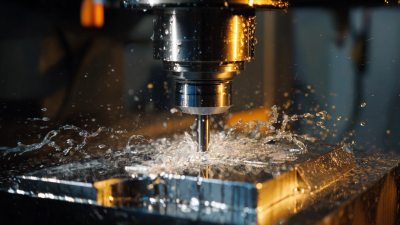
Waterjet machining uses high-pressure water, often with abrasive particles, to cut metals, stone, composites, and heat-sensitive materials. The 2024 Waterjet Cutting Machine Market analysis from MarketsandMarkets identifies aerospace, construction, and automotive production as major demand areas. Waterjet avoids thermal distortion, but abrasive consumption, pump maintenance, and wastewater handling affect operating costs. Results vary. An honest quotation should include kerf width, taper, surface grade, material thickness, and inspection standards. Comparing only purchase prices is a weak method.

Additive, Grinding, and Precision Finishing Technologies

Global buyers are comparing machining technologies by tolerance, throughput, and finishing performance.

Additive manufacturing now supports complex channels, lightweight structures, and rapid design changes. The Wohlers Report 2024 valued the global additive manufacturing industry at approximately $20.0 billion in 2023. Its growth was modest, at about 2.1 percent, showing a more practical market rather than unlimited expansion. That matters.

Grinding remains essential when parts need tight tolerances and stable surface quality. The Global Grinding Machines Market report by MarketsandMarkets projects continued growth through 2028, driven by automotive, aerospace, and precision engineering demand. Cylindrical, centerless, and surface grinding can control final geometry after turning or milling. However, poor coolant management, wheel selection, or thermal control can damage accuracy. A perfect machine cannot rescue weak process planning.

Precision finishing technologies add the last measurable improvement. Honing can refine bore geometry, while lapping and superfinishing reduce roughness on sealing and sliding surfaces. The Grand View Research analysis of the surface finishing market identifies automation and tighter quality requirements as major growth factors. Buyers should request verified Ra values, roundness data, inspection methods, and sample reports. In my experience, suppliers often describe “precision” too broadly. Global procurement teams should challenge that wording and compare results under identical material, tool-life, and inspection conditions.

Comparing the Top 10 Machining Technologies for Global Applications

Top 10 Machining Technologies for Global Buyers?

Comparing machining technologies requires more than checking hourly rates. Material, tolerance, volume, and inspection capability often change the best choice.

CNC milling suits complex prismatic parts, including housings with pockets and angled faces. CNC turning efficiently produces shafts, bushings, and threaded components. Swiss-type turning handles slender parts with excellent support near the cutting tool. Five-axis machining reduces setups for turbine-like surfaces and medical components. Grinding delivers tight finishes after harder operations, especially on bearing seats. It is slower, but surface accuracy can justify the cost.

Wire EDM cuts hardened materials and narrow slots without significant cutting force. Sinker EDM forms deep cavities, although electrode preparation adds time. Laser cutting works quickly on thin sheet metal, but heat-affected edges need careful review. Waterjet cutting avoids a large heat-affected zone and handles thick plate, though its edge may require secondary finishing. Additive manufacturing builds lightweight or internally complex parts, but post-processing remains a practical limitation. Results vary.

For global applications, buyers should request sample inspection reports, material certificates, and process capability data. Ask how suppliers control temperature, tool wear, and measurement calibration. A low-cost quote can become expensive after rework, delayed shipping, or extra finishing. From production experience, the fastest process is not always the most reliable. A five-axis setup may reduce handling, yet a simpler three-axis process can offer easier maintenance and stronger operator control. Tolerance claims also deserve skepticism. Measure twice. Review the actual part geometry, batch size, and acceptance method before selecting a process.

Top 10 Machining Technologies for Global Applications

Comparison of representative dimensional tolerances commonly achievable in industrial production. Lower values indicate finer dimensional control; actual results depend on machine condition, tooling, material, geometry, and process parameters.

Values are representative process-level figures in micrometres (μm), intended for technology comparison rather than a guaranteed specification. Grinding and honing generally provide the tightest dimensional control, while laser cutting, waterjet cutting, and metal additive manufacturing are typically selected for flexibility, complex shapes, or reduced tooling requirements.

We Meet Our Clients Needs.

Meeting the diverse needs of our clients, we have complete machining facilities for everything from single part prototypes to large quantity production. Our small size is one of our biggest assets. It allows us to control costs and maintain the highest of standards.

Quality orientated  and delivery always on time or earlier than originally promised.

Strongly recommend MSD.