Why Are Machine Tools Essential for Modern Manufacturing?
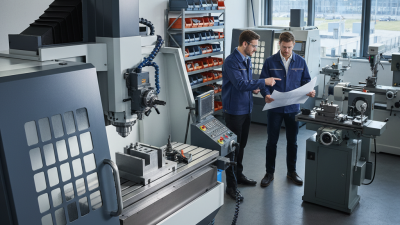
In the realm of modern manufacturing, machine tools play a pivotal role. Industry expert Dr. Michael Roberts states, “Machine tools are the backbone of precision engineering.” This highlights their significance in creating intricate components that meet stringent quality standards.
Consider the complexity of today’s products, from smartphones to automotive parts. Each item relies on machine tools for precision and efficiency. Yet, there are challenges. Not all manufacturers can access advanced machine tools. This disparity can impede innovation.
Furthermore, while many companies utilize machine tools, not all understand their full potential. Training and maintenance remain critical areas needing attention. Teams must continuously adapt to technology advancements. As machine tools evolve, so should the workforce. The focus on quality and skill development cannot be overstated.
The Role of Machine Tools in Enhancing Production Efficiency
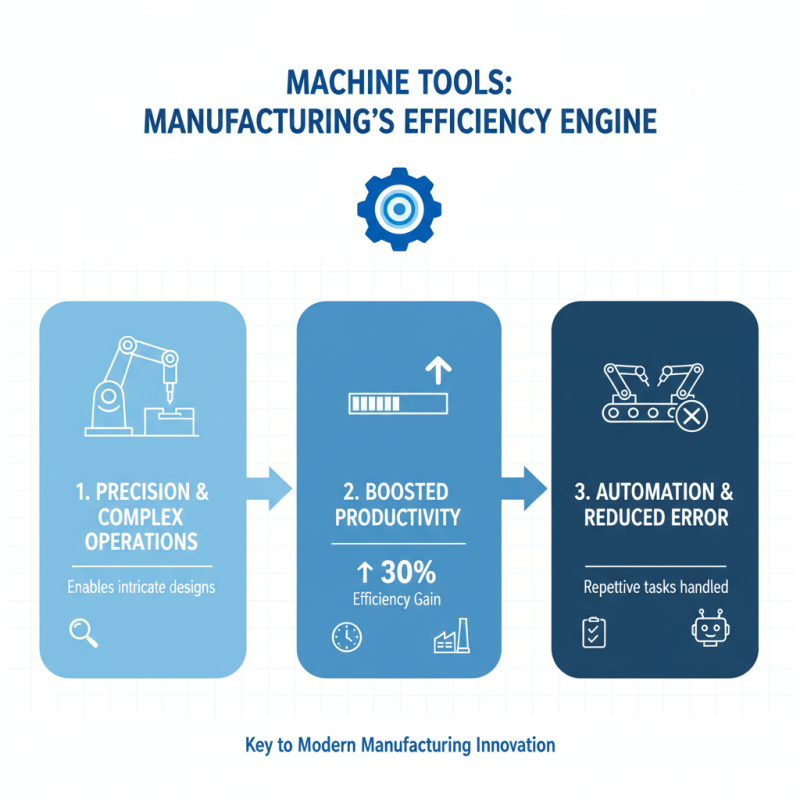
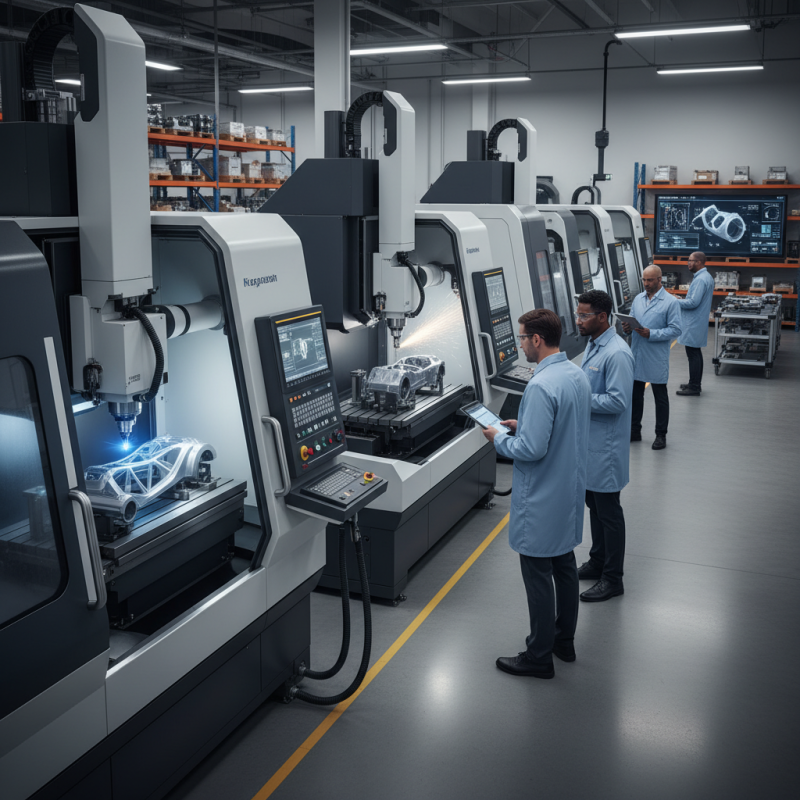
Machine tools play a crucial role in modern manufacturing. They enhance production efficiency by enabling precise and complex operations. According to industry studies, companies that integrate advanced machine tools can boost productivity by up to 30%. This efficiency comes from the ability to automate repetitive tasks and reduce human error.
Tips: Utilizing CNC (Computer Numerical Control) machines can significantly reduce setup times. Consider investing in training for your workforce to maximize the effectiveness of these tools.
Moreover, machine tools are not without challenges. Maintenance becomes essential to ensure consistent performance. Inadequate maintenance can lead to breakdowns and production delays. A report by the National Institute of Standards and Technology indicates that unplanned downtime can reduce productivity by around 20%.
Tips: Regularly schedule maintenance checks to prevent unexpected issues. Encourage a culture of proactive monitoring among employees.
Key Technologies: CNC Machining and Their Impact on Manufacturing
CNC machining is a game-changer in modern manufacturing. It stands for Computer Numerical Control. This technology uses software to control machine tools. As a result, it allows for high precision and repeatability. Components can be produced quickly and accurately. The accuracy reduces material waste, which is significant in a resource-scarce world.
Despite its advantages, CNC machining is not without its issues. Operators must be skilled in programming and troubleshooting. If software malfunctions or settings are incorrect, production can stall. Mistakes in programming might lead to faulty products. Learning from these errors is crucial. Continuous training is necessary to maintain efficiency and reduce errors.
CNC machining integrates other technologies too. For example, automation and robotics enhance speed and safety. They can take over repetitive tasks, allowing humans to focus on complex issues. However, this shift raises questions about job displacement. The balance between technology and human skill is delicate and requires careful management.
Economic Benefits of Machine Tools: Cost Reduction and Profit Margin Increase
Machine tools play a pivotal role in modern manufacturing. They significantly reduce production costs and help increase profit margins. According to recent industry reports, manufacturers that invest in advanced machine tools can achieve up to 30% cost reduction in their operations. These savings primarily arise from enhanced efficiency and reduced waste. Automation and precision machining allow for faster production cycles, ultimately leading to lower operational expenses.
With the growing emphasis on lean manufacturing, machine tools are essential. A survey indicated that about 65% of companies experienced improved profit margins after upgrading their machinery. This change often leads to smarter resource utilization and less downtime. However, not all companies recognize these benefits. Many still struggle with outdated equipment, missing opportunities to enhance productivity. Some report that initial investment and training costs can be daunting, leading to slower adoption rates.
Despite these challenges, the long-term advantages overwhelmingly favor those who embrace new technologies. Firms that optimize their processes via machine tools can thrive in a highly competitive market. Data suggests that companies integrating these tools see improved product quality alongside reduced production times. Yet, it’s crucial to address workforce training and adaptation to maximize returns on such investments.
Why Are Machine Tools Essential for Modern Manufacturing? - Economic Benefits of Machine Tools: Cost Reduction and Profit Margin Increase
| Factory Type | Initial Investment ($) | Annual Operating Cost ($) | Annual Revenue ($) | Profit Margin (%) | Cost Reduction (%) |
|---|---|---|---|---|---|
| Automotive Manufacturing | 1,500,000 | 300,000 | 2,000,000 | 25% | 15% |
| Aerospace Manufacturing | 2,000,000 | 400,000 | 2,800,000 | 28% | 20% |
| Electronics Manufacturing | 800,000 | 150,000 | 1,200,000 | 35% | 10% |
| General Manufacturing | 1,200,000 | 200,000 | 1,700,000 | 30% | 12% |
Machine Tool Market Trends: Growth Statistics and Future Projections
The machine tool market is experiencing significant growth. This trend is due to advancements in technology and increased demand for precision manufacturing. Companies are looking for efficient, reliable tools to stay competitive. Statistics indicate a projected increase in the market's value over the next few years. This growth reflects a booming manufacturing sector hungry for innovation.
In recent years, automation and smart manufacturing have reshaped the landscape. Machine tools equipped with AI and IoT capabilities bring improved efficiency. However, companies face challenges in adopting these technologies. Training staff and initial costs can be barriers. There’s also a risk of over-reliance on technology, which may inhibit manual skills.
Sustainability is becoming increasingly important, influencing market trends. Manufacturers are seeking eco-friendly materials and processes. Yet, many tools still fall short of meeting these green standards. This gap invites more innovation but also demands critical thinking from industry leaders on how to balance profitability and sustainability.
The Importance of Precision Engineering in Modern Manufacturing Processes
Precision engineering plays a pivotal role in modern manufacturing. It ensures that every component is made to exact specifications. This leads to better performance and reliability in the final product. For instance, in aerospace and automotive industries, even minor deviations can have serious consequences. Manufacturers strive to minimize this risk through precise machining techniques.
The use of advanced machine tools is crucial in achieving this precision. These tools allow for intricate designs and complex geometries. With capabilities like CNC machining, engineers can create parts that were once thought impossible. This technology transforms ideas into tangible objects. However, reliance on such advanced tools brings challenges. Not all manufacturers possess the expertise to leverage these technologies effectively.
Moreover, the intersection of precision and cost cannot be ignored. High-precision tools and processes often mean higher investment. Smaller companies might struggle to keep up. They may need to rethink their strategies to balance quality and cost. The quest for precision is ongoing. It's a journey that requires constant learning and adaptation.
Related Posts
-
10 Essential Tips for Choosing the Right Machine Tool for Your Workshop
-
Why Is CNC Machining Precision Essential for Modern Manufacturing?
-
2026 Top Machining Equipment Trends and Innovations to Watch?
-
2026 Top Trends in Machining Equipment for the Manufacturing Industry?
-
What is CNC Machining Equipment and How Does It Work Explained
-

Top CNC Machining Equipment Trends to Watch for in 2025
We Meet Our Clients Needs.
Meeting the diverse needs of our clients, we have complete machining facilities for everything from single part prototypes to large quantity production. Our small size is one of our biggest assets. It allows us to control costs and maintain the highest of standards.
Quality orientated and delivery always on time or earlier than originally promised.
Strongly recommend MSD.