
What Is the Best Foil Machine for Global Buyers in 2026?

Choosing the best Foil Machine for global buyers in 2026 is not simply a race for higher speed. It is a decision about stability, flexibility, service, and total operating cost. A machine may advertise 6,000 sheets per hour, yet poor registration can waste expensive foil and coated stock. That detail matters.

Jean-Pascal Bobst, CEO of BOBST, has often emphasized a customer-centered approach: “The best machine is the one that meets the customer’s needs.” This principle remains practical for foil stamping, hot foil printing, and transfer applications. Buyers should examine foil compatibility, maximum sheet size, feeding accuracy, pressure control, changeover time, and automation. Remote diagnostics also deserve attention. A beautiful showroom sample proves little.

Real production conditions are less forgiving. Dust gathers around feeders. Operators change jobs. Spare parts may travel across borders. A reliable Foil Machine should maintain clean impressions during long runs and support common substrates without excessive adjustment. Energy use, operator training, warranty coverage, and local technical support can influence the final purchase more than a low initial price. Sometimes, the cheapest option becomes the most expensive.

Global buyers should compare verified samples, service response times, installation requirements, and documented safety features. They should also confirm regional electrical standards and applicable workplace regulations. No single machine suits every converter, printer, or packaging producer. That is the uncomfortable truth. This guide evaluates leading options through measurable performance, realistic workflow needs, and long-term ownership value. Some conclusions may challenge popular assumptions, especially when headline speed competes with dependable daily output.
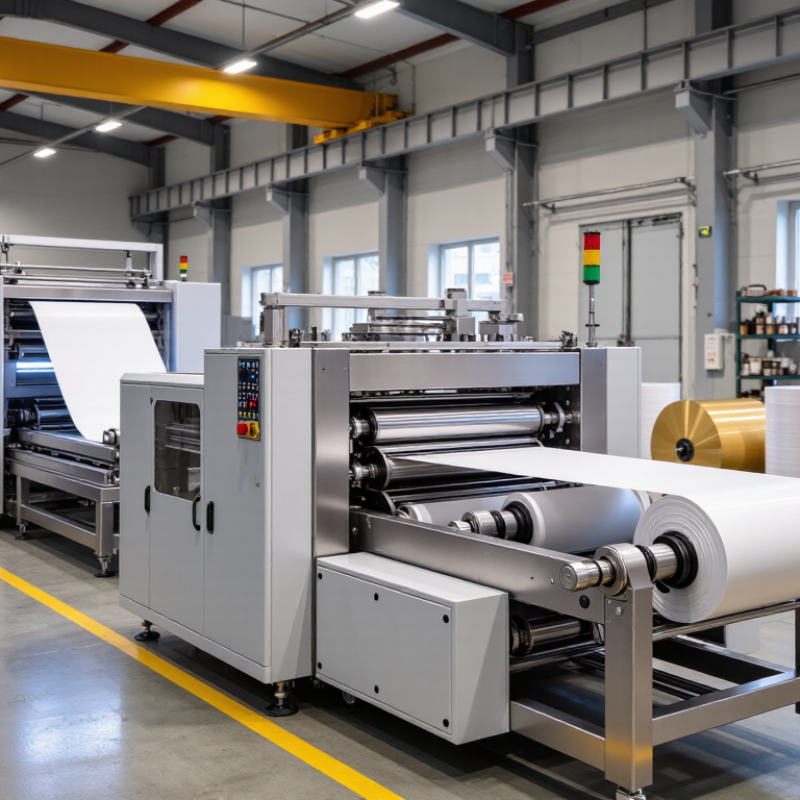
What Is the Best Foil Machine for Global Buyers in 2026?

What Is a Foil Machine and How Does It Work?

A foil machine transfers a thin metallic or pigment film onto paper, labels, cartons, or synthetic sheets. Hot foil stamping uses a heated die, pressure, and dwell time. The die presses the foil against the substrate, while heat activates its release coating. The carrier film then moves away, leaving the selected design behind. Cold foil works differently. It uses adhesive, foil transfer, and curing energy instead of a heated die.

The process looks simple. It is not always forgiving. Excessive heat can distort films, while low pressure creates broken lettering. Operators usually test temperature, speed, pressure, and registration before production. Small details matter, especially around hairline text and large solid areas. Smithers’ The Future of Global Packaging to 2028 estimates the global packaging market will approach US$1.2 trillion by 2028. This growth supports demand for decorative and security-focused finishing equipment. Mordor Intelligence’s hot stamping machine research also identifies packaging and commercial printing as major application areas, with automation improving output consistency.

A practical buyer should check substrate range, foil width, working speed, and compatible power standards. Servo control can reduce registration errors, but it does not remove setup mistakes. I have seen attractive samples fail during longer runs because foil tension was ignored. That weakness deserves attention. Ask for a live test using your own material, artwork, and foil. Also request data on waste rate, pressure stability, maintenance intervals, and operator training. A machine that runs quickly may still be expensive if changeovers remain slow.

What Is the Best Foil Machine for Global Buyers in 2026?

A foil machine transfers a metallic or pigmented foil onto paper, packaging, labels, plastics, or other compatible materials using heat and pressure, or adhesive activation in cold-foil systems.

The chart shows typical production-capacity ranges by automation level. Manual machines are suitable for samples and short runs, semi-automatic machines balance flexibility and output, while automatic machines are generally preferred for high-volume commercial production. Actual performance depends on foil type, material, artwork coverage, machine format, setup time, and operator skill.

Which Foil Machine Types Suit Different Global Production Needs?

What Is the Best Foil Machine for Global Buyers in 2026?

Different production goals require different foil machine types.

Sheet-fed hot foil stamping suits cartons, invitations, and premium labels with sharp metallic detail. It uses heated dies, pressure, and foil transfer. This process feels tactile, but setup can be slow for frequent design changes.

Roll-to-roll hot stamping works better for continuous labels and flexible packaging. It improves throughput, although web tension becomes critical.

Cold foil units fit high-speed offset or flexographic lines. They support wider webs and multiple colors without heated dies. However, adhesive control and curing quality can decide the final result.

Digital foil machines suit short runs, variable data, and customized packaging. They reduce tooling needs, but foil adhesion may differ across coated and uncoated substrates. Test every material.

Industry data

Industry data supports this shift toward flexible production. Smithers’ The Future of Global Printing to 2029 forecasts continued expansion in digital print value, driven by short runs and personalization. Grand View Research also projects strong growth for the global packaging printing market through 2030, with flexible packaging among the active demand areas. These reports suggest that one machine rarely serves every market.

A practical buyer should compare running width, foil-saving systems, heating accuracy, substrate range, and local service access.

The fastest machine is not always the most profitable. A 2025 production audit might reveal excessive setup waste. That matters. Evaluate actual order sizes, operator skills, electricity costs, and spare-part availability before choosing.

How Should Buyers Compare Capacity, Materials, and Automation?

For global buyers, the best foil machine is not simply the fastest model. Capacity should match daily demand, product size, and realistic peak periods. A machine rated for 5,000 sheets per hour may deliver less with thick board or complex artwork. Measure usable foil width, maximum sheet size, die area, and pressure stability. Ask for tested output, not only catalog figures. A short production trial reveals more.

Materials deserve careful comparison. Paper, coated board, synthetic sheets, and thin leather can require different temperatures and pressures. Check the machine’s heating range, platen flatness, foil control, and cooling behavior. Request samples using your actual substrate and foil type. Inspect edges under bright light. Small skips or blurred details can become expensive waste. I have seen buyers choose impressive capacity and overlook material compatibility.

Automation should reduce errors, not create a difficult system. Useful features include automatic feeding, registration sensors, foil-saving control, quick setup, and fault alerts. Compare changeover time with your real job schedule. A highly automated machine still needs trained operators and practical maintenance access. Confirm electrical requirements, safety documents, spare-part availability, remote support, and training for your destination market. Bigger is not always better. Leave room for doubt. Test the machine before committing to a long production plan.

Which 2026 Standards and Export Factors Affect Machine Selection?

What Is the Best Foil Machine for Global Buyers in 2026?

The best foil machine depends on compliance, output, and export readiness. In 2026, buyers should request a complete technical file before comparing prices. It should include electrical safety data, electromagnetic compatibility results, risk assessment, and operating instructions. For European shipments, confirm current machinery requirements and applicable environmental restrictions. Other markets may require local certification or importer registration. Do not assume one certificate covers every destination.

Export details can affect performance as much as machine specifications. Check voltage, frequency, plug type, compressed-air quality, and factory floor space. A machine designed for 400V may need a different configuration elsewhere. Ask for the packed dimensions, gross weight, HS classification, and recommended Incoterm. Strong export packaging matters. A damaged control panel can delay production for weeks. Spare heating elements, sensors, and pressure components should be available locally or shipped quickly.

Tips: Request a test run using your actual foil, substrate, and artwork. Measure speed, temperature stability, adhesion, waste, and changeover time. Ask for translated manuals, installation videos, and remote troubleshooting procedures. Verify warranty coverage in writing. A lower price can become expensive after customs clearance and service delays. I would also inspect noise levels and operator access, although buyers often overlook them. No selection is perfect; a realistic trial may reveal limitations that polished brochures hide.

How Can Buyers Evaluate Suppliers, Costs, and After-Sales Support?

For global buyers in 2026, the best foil machine depends on production needs, not advertising claims. Ask suppliers for test samples using your actual film, paper, pressure, and artwork. A reliable supplier should explain heating accuracy, foil compatibility, working speed, and maintenance intervals in clear language. Vague specifications deserve caution.

Compare the complete cost, not only the machine price. Include tooling, shipping, installation, training, electricity, spare parts, and possible import fees. Request a written quotation with currency, delivery terms, lead time, and payment conditions. A low offer may become expensive when replacement heaters or custom dies arrive late. Check the supplier’s factory records, technician experience, quality checks, and references from similar production environments. Video inspections help, but they do not replace physical evidence.

After-sales support often decides whether a machine remains productive. Confirm response times, remote troubleshooting, warranty coverage, and spare-part availability in your region. Ask who handles problems after installation and whether service instructions are available in understandable English. Try sending a technical question before purchasing. The quality and speed of the reply reveal practical competence. No evaluation is perfect. Supplier references may be selective, and projected output may exceed real results. I would reserve part of the budget for unexpected adjustments, especially during the first three months. A careful buyer records every promise in the contract. That detail matters.

We Meet Our Clients Needs.

Meeting the diverse needs of our clients, we have complete machining facilities for everything from single part prototypes to large quantity production. Our small size is one of our biggest assets. It allows us to control costs and maintain the highest of standards.

Quality orientated  and delivery always on time or earlier than originally promised.

Strongly recommend MSD.