2026 Top Trends in One Off CNC Machining You Should Know?
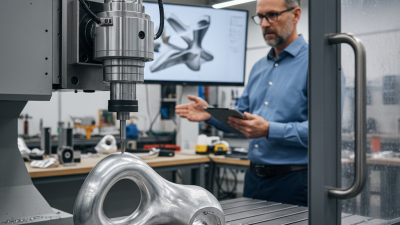
In the world of one off CNC machining, innovation is key. This manufacturing technique allows for highly customized products. It caters specifically to unique requirements. The trends emerging in 2026 will shape the future of this industry.
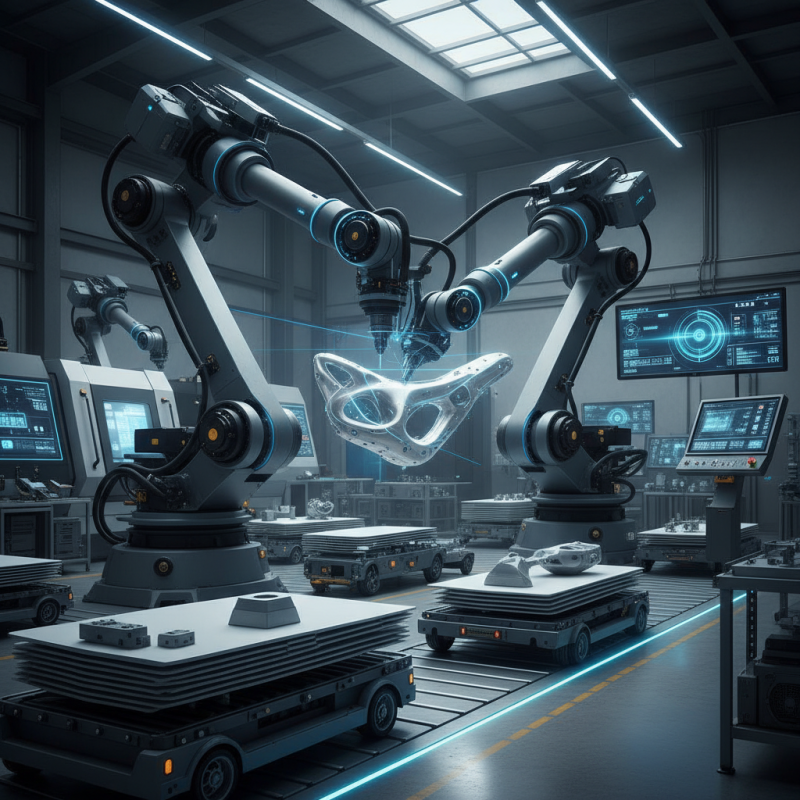
One trend is the rise of automation. Robots can enhance precision in one off CNC machining. This reduces human error and increases efficiency. Another trend involves the use of advanced materials. Companies are exploring lightweight composites and metals. This opens new avenues for design and functionality.
Despite these advancements, challenges remain. Not all manufacturers can adopt new technologies quickly. Some may struggle with the cost of automation. Others might find training employees difficult. As the landscape shifts, it's essential to reflect on these hurdles within one off CNC machining. Embracing change will be vital for staying competitive.
The Rise of Advanced Materials in One Off CNC Machining
The rise of advanced materials in one-off CNC machining is reshaping the industry. Innovations in materials like titanium and carbon fiber offer significant advantages. These materials are lightweight yet strong, making them ideal for complex designs. Machinists are now able to push boundaries, creating parts that were once impossible.
However, using advanced materials isn't without challenges. They often require specialized tools and techniques. For instance, titanium can wear down standard cutting tools quickly. Machinists face a steep learning curve to adapt. This can result in trial and error, leading to wasted time and resources. Finding the right balance between speed and precision remains an ongoing struggle.
Despite these hurdles, the trend shows no signs of slowing down. Many are embracing the new innovations. As more CNC machines adopt these materials, the learning process will evolve. Collaboration among engineers and machinists is key to overcoming initial obstacles. Identifying areas for improvement will drive further advancements in this dynamic field.
Integration of AI and Automation in CNC Machining Processes
The CNC machining industry is witnessing significant changes due to artificial intelligence (AI) and automation. A report by McKinsey estimates that automation could enhance productivity by up to 30% in manufacturing sectors, including CNC machining. By integrating AI technologies, manufacturers can optimize processes and reduce lead times, resulting in faster production cycles.
The current landscape shows that 70% of manufacturers are exploring AI solutions. However, challenges remain. Many CNC operations still rely heavily on traditional methods. Resistance to change can slow down the adoption of automated systems. For instance, a study from Accenture indicates that about 60% of companies face skills gaps impacting their automation strategies. Companies need to invest in training their workforce to adapt to these advanced technologies.
Moreover, automation can personalize production. Customized parts can be produced with minimal human intervention. This shift leads to better resource allocation and waste reduction. Yet, the reliance on automation raises concerns about job displacement. Finding a balance is essential for the future of CNC machining. Embracing AI and automation should enhance operational efficiency without compromising the human element in manufacturing.
Sustainability Trends Impacting One Off CNC Machining Practices
Sustainability is reshaping the landscape of one-off CNC machining. As industries face increasing pressure to reduce carbon footprints, innovative practices emerge. According to a recent industry report, over 50% of manufacturers aim to implement sustainable methods by 2026. This shift is not merely a trend; it reflects a fundamental change in how businesses operate.
One significant area of focus is material selection. Eco-friendly materials are becoming preferred choices. For example, companies are exploring biodegradable plastics and recycled metals. These alternatives not only minimize environmental impact but can also lead to cost savings. However, the challenge lies in balancing sustainability with performance. Not all materials deliver the same precision or durability.
Tips: Consider sourcing materials locally to reduce transportation emissions. This approach supports local economies while cutting down on environmental costs.
Another key trend is energy efficiency in CNC operations. Reports indicate that energy-efficient machines can reduce energy consumption by up to 40%. However, not all facilities invest in high-efficiency technology. Some manufacturers see upfront costs as a barrier, overlooking long-term benefits.
Tips: Regular maintenance of machinery can improve energy efficiency. Simple adjustments can make a significant difference in energy use and operational costs.
The Role of Customization in One Off CNC Machining Services
In recent years, customization has emerged as a cornerstone of one-off CNC machining services. Industry reports indicate that 73% of manufacturers aim to provide tailor-made solutions. Clients demand specific dimensions, materials, and finish that match their unique requirements. This shift has transformed machining from a standard service into a highly personalized process.
However, the customization route is not without challenges. Many shops struggle with balancing rapid delivery and quality. Data shows that 40% of companies have faced delays due to complex, one-off requests. This indicates a need for better project management tools and practices.
CNC machining facilities are also adapting their workflows, yet not all have the necessary resources or expertise to implement changes efficiently.
Furthermore, customization can lead to unexpected costs. Clients often underestimate the price of bespoke products. A recent survey highlighted that 62% of businesses experienced budget overruns on customized orders. This reality prompts a reconsideration of client expectations and clearer communication about potential expenses and timelines.
Emerging Technologies Shaping the Future of CNC Machining Industry
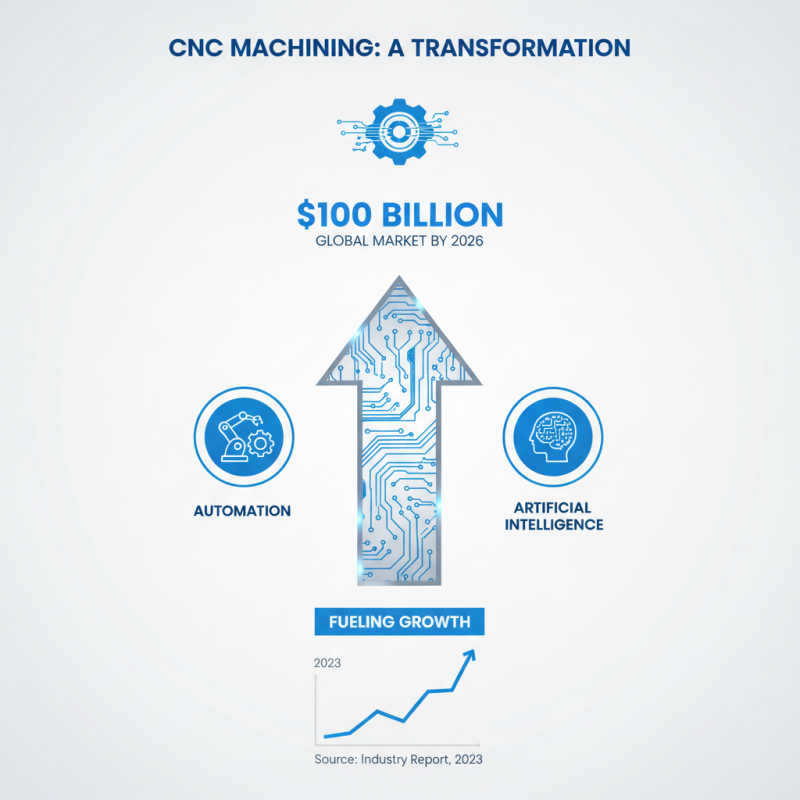
The CNC machining industry is on the brink of transformation. Emerging technologies are driving significant changes. According to a recent report, the global CNC machining market is expected to reach $100 billion by 2026. This growth is fueled by innovations in automation and artificial intelligence.
One major trend is the integration of cloud technology. This allows for real-time monitoring and data analysis. Manufacturers can make quicker decisions based on performance metrics. Furthermore, machine learning algorithms are optimizing machining processes, reducing cycle times by up to 30%. Yet, there are challenges. Not all companies are ready to adopt these technologies, leading to a skills gap.
Additive manufacturing is also playing a pivotal role in shaping the future. It enhances design flexibility and reduces material waste. Reports suggest that the market for hybrid machining systems will grow by 15% annually. However, understanding how to incorporate this technology can be daunting for traditional machinists. Mistakes in implementation can lead to increased costs. The future of CNC machining relies on balancing innovation with practical application.
Related Posts
-
How to Utilize One Off CNC Machining for Custom Projects?
-
Top One Off CNC Machining Techniques to Know in 2026
-
The Future of Precision Machining Innovations Transforming Industry Standards
-
Why Is CNC Machining Precision Essential for Modern Manufacturing?
-
Unlocking the Secrets of Manual Machines for Efficient Home Workspaces
-
Unlocking the Secrets of CNC Machining Precision for Optimal Performance
We Meet Our Clients Needs.
Meeting the diverse needs of our clients, we have complete machining facilities for everything from single part prototypes to large quantity production. Our small size is one of our biggest assets. It allows us to control costs and maintain the highest of standards.
Quality orientated and delivery always on time or earlier than originally promised.
Strongly recommend MSD.